
What Actually Are Boundaries?
Boundaries get talked about a lot—but most people are still quietly thinking, “Okay… but what does that actually mean in real life?”
Let’s clear that up.
What boundaries actually are (and what they aren’t)
A boundary is not a wall. It’s not punishment. It’s not control over someone else.
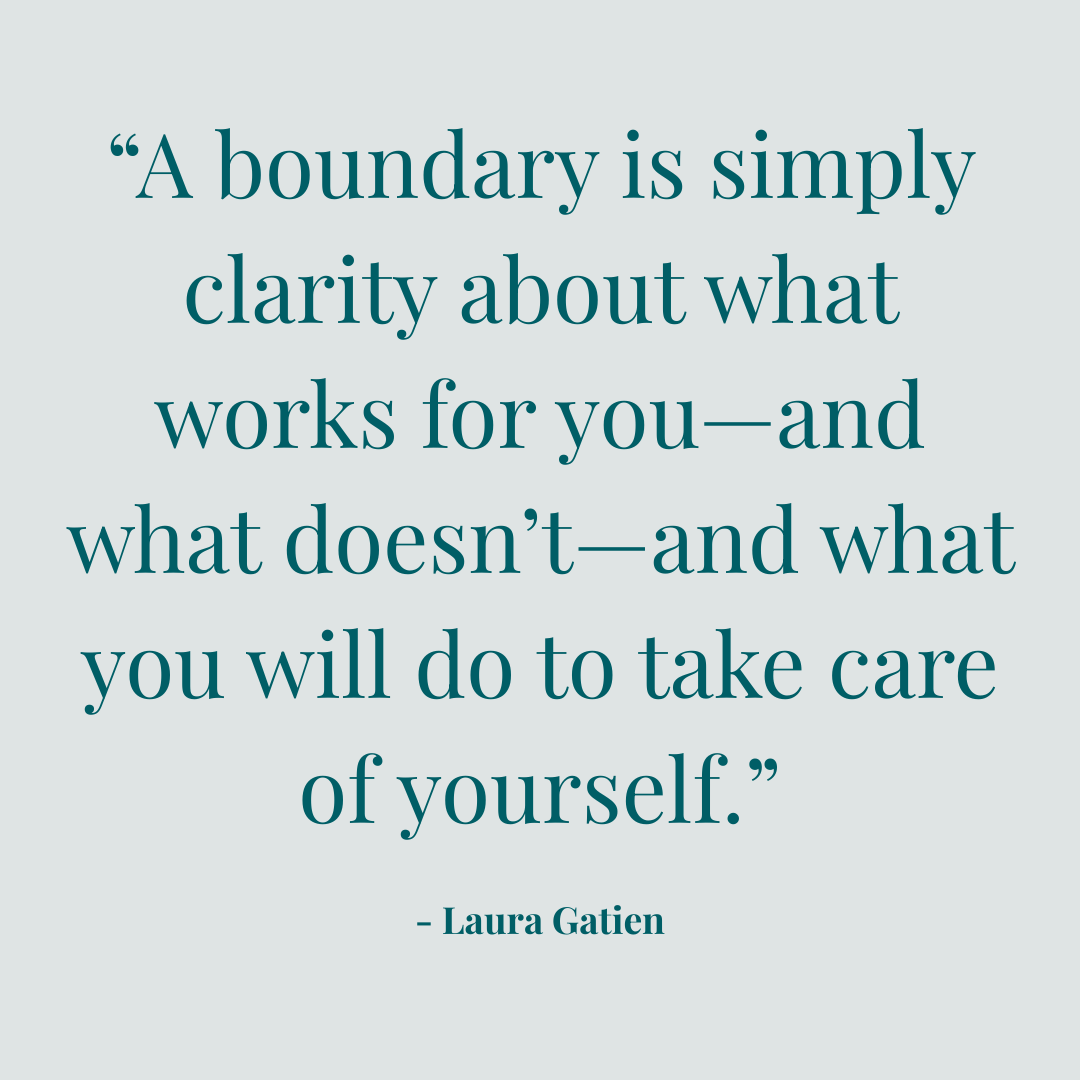
A boundary is simply clarity about what works for you—and what doesn’t—and what you will do to take care of yourself. Boundaries are about your behaviour, not forcing someone else to change theirs.
If you’ve ever thought, “I don’t want to be difficult,” or “It’s easier to just go along with it,” you’re not alone. Most of us were never taught how to have boundaries without guilt.
So instead, we over-explain, over-accommodate, and quietly build resentment.
What boundaries sound like in real life
Healthy boundaries are often… surprisingly calm. Not dramatic. Not defensive. Just clear.
Here are some examples that helped me to understand them.
“I’m not available for last-minute plans this week. I need more notice right now.”
“I’m happy to help, but I can’t take that on today.”
“I don’t want advice on this—just someone to listen.”
“I’m going to step away from this conversation if it keeps going in this direction.”
“I care about you, and I’m not able to keep having this same conversation.”
“I need some quiet time when I get home before I can connect.”
“I’m not comfortable joking about that.”
“I won’t be responding to work messages after 6pm anymore.”
“I’m open to talking about this tomorrow, not right now.”
“I’m going to handle this differently than I have in the past.”
There’s no over-explaining. No apology for having needs. No attempt to control the other person. Just clarity.
What respecting boundaries looks like
This is the part people often miss: boundaries only work when they’re respected—including by you, and this often feels hard! Respecting someone else’s boundary might sound like:
“Okay, thanks for telling me.”
“That makes sense.”
“I didn’t realize that bothered you—I’ll adjust.”
“Let me know what works better.”
If someone consistently pushes back on your boundaries, it tells you something important about the relationship.
I noticed a few years ago that boundaries felt hard, and I've since figured out why.
Because they come with risk. You might disappoint someone. You might not be understood. You might even lose connection.
But the alternative means staying in patterns that drain you, frustrate you, and slowly disconnect you from yourself and others.
If boundaries feel hard for you like they did for me, don’t start with the biggest, scariest one. Start small. Take longer to respond instead of replying immediately. Say, “Let me think about that," instead of yes, and notice when something feels off—and name it (even just to yourself)
Interestingly enough, like most things in life, the more you practice them, the safer your relationships actually become. People don’t have to guess where they stand with you anymore, and neither do you.